Learn to Trade
- Details
If you're trading without a journal, you're essentially flying blind. A trading journal is the most underutilised tool in most traders' arsenals, yet it's one of the most powerful. It's the difference between making random decisions and learning from actual evidence. This article explores why every trader needs a journal, what to track, how to review your data, and how to turn raw numbers into actionable improvements in your trading.
- Details
When you place a trade, you need to decide how your order will be executed. The order type you choose affects whether your trade fills at your desired price, how quickly it executes, and how much control you have over the process. Understanding the different order types available is fundamental to executing your trading strategy effectively, whether you're day trading, swing trading, or investing in UK stocks like BP, HSBC, or Unilever. Each order type has specific advantages and use cases, and choosing the wrong one can cost you money or result in missed opportunities. In this guide, we'll walk through every major order type so you can make informed decisions at the point of execution.
- Details
Markets move on fundamentals and technicals, but your account grows or shrinks based on psychology. You can have a perfectly valid trading strategy, but if you can't execute it with discipline, it doesn't matter. Professional traders understand this: they spend as much mental energy on managing their emotions as they do on analysing charts. Fear, greed, and ego are the enemies of consistent profits. In this guide, we'll explore the psychological challenges you'll face as a trader, why they emerge, and concrete methods to overcome them so you can stay disciplined when it counts.
- Details
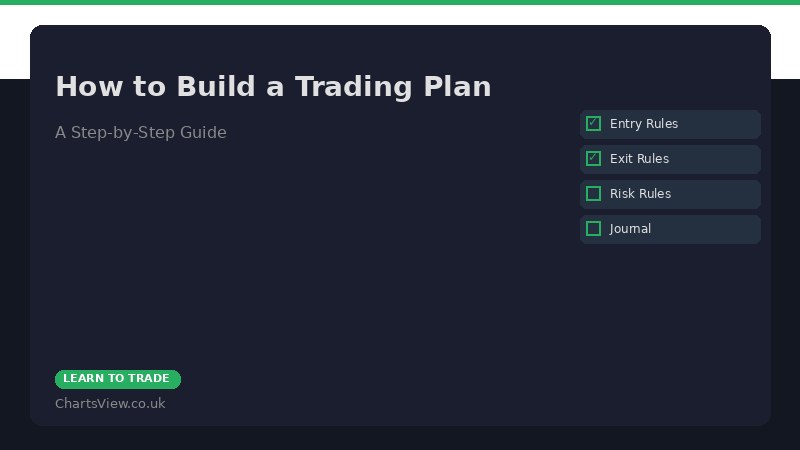
The difference between professional traders and amateurs isn't skill—it's preparation. Professionals trade from a plan. They know before the market opens what they'll trade, when they'll enter, where they'll stop, and what their profit target is. They've written it down. Amateurs watch the market, react to price action, and hope something works out. When the market gets volatile or moves against them, amateurs panic because they never had a plan. A trading plan removes emotion from decision-making and forces you to think clearly before money is on the line. In this guide, we'll build your trading plan from scratch, covering every element you need to trade consistently and measure your progress.
- Details
Backtesting is the bridge between strategy theory and real-world trading. It's the process of testing your trading strategy on historical price data to see how it would have performed before you risk real money on it. Many traders skip this step, believing they can learn better through live trading. But this is like learning to drive by jumping straight into Formula 1. Backtesting allows you to compress years of trading experience into weeks, making it the single most important practice for new traders. This article covers what backtesting is, how to do it properly, and how to avoid the most common pitfalls.
- Details
When you decide to trade in the UK, you have a choice: buy actual shares, use spread betting, or trade CFDs. These three approaches offer different benefits and drawbacks, and which you choose profoundly affects your taxes, costs, risk, and ability to profit. Many new traders don't understand the differences and end up in the wrong approach for their style. This guide breaks down each method, explains the costs and regulatory protections, and helps you choose the right one for your experience level and trading goals.
- Details
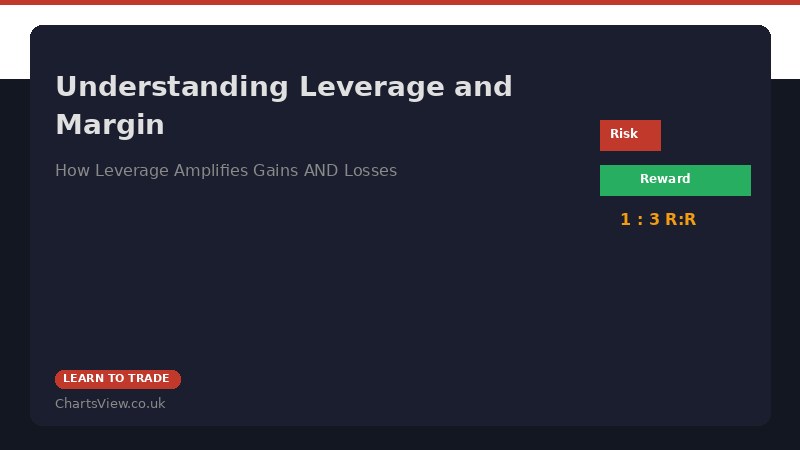
Leverage is the double-edged sword of trading. It promises to turn modest capital into substantial profits, and it delivers—if you're right. But when you're wrong, leverage turns modest losses into account-devastating catastrophes. Understanding how leverage and margin work isn't optional; it's the foundation of not blowing up your trading account. The UK market offers everything from straightforward margin accounts to complex leverage products, each with different risks and regulations. Let's cut through the complexity.