Learn to Trade
- Details
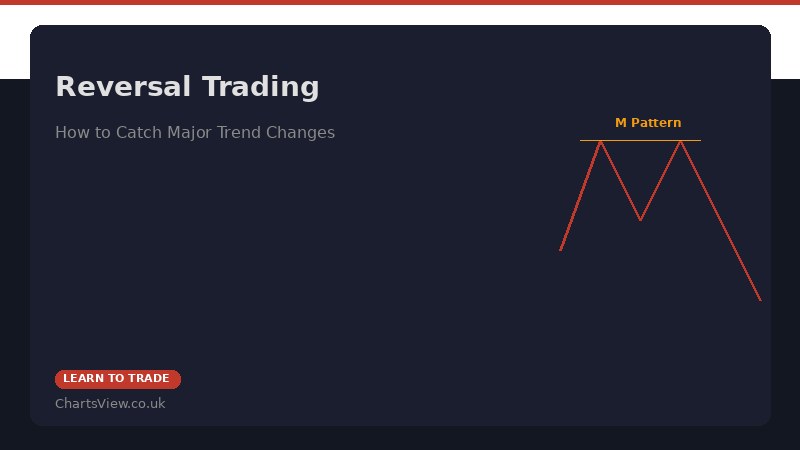
Most trading education teaches trend following: identify a trend, jump on board, ride it to profit. This is excellent advice, but it misses a crucial opportunity. The most profitable trades often occur at trend reversals—the moments when the market shifts from going up to going down (or vice versa). A trader who can identify when a trend is about to reverse can enter with exceptional risk-to-reward. If a stock has fallen 30% and you can identify the exact moment it reverses, you can risk 50 pips to make 300 pips. In this guide, we'll explore reversal trading: what it is, why it's so profitable, how to identify reversals, and crucially, why most reversals fail and how to filter them.
- Details
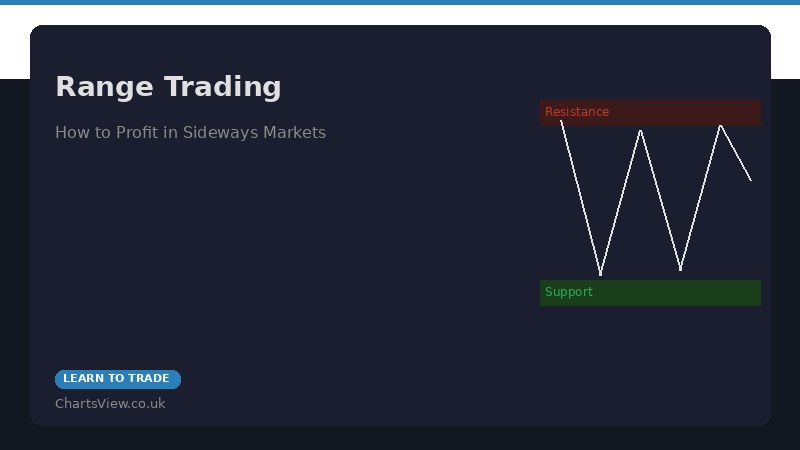
Not all markets trend. Many spend their time sideways, bouncing between clear support and resistance levels. These range-bound markets frustrate trend traders but offer excellent opportunities for range traders. A range is simply a defined price zone where a market repeatedly bounces between a floor (support) and a ceiling (resistance). Learning to identify and trade these ranges systematically can generate consistent profits even when bigger trends aren't available. This article explores what range trading is, how to identify ranges, the specific strategies that work, and when to abandon range trading for trending market strategies.
- Details
Risk management isn't the most exciting part of trading, but it's the part that keeps you in the game. You can have the world's best entry signals, but if you don't manage risk properly, you won't survive long enough to profit from them. This guide walks you through everything you need to know about protecting your trading capital, from basic position sizing to the mathematics of drawdowns and how to build a personal risk management framework.
- Details
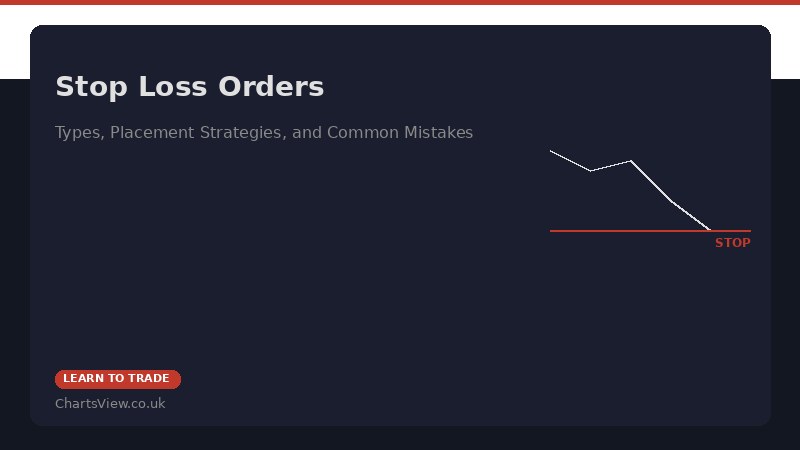
A stop loss order is the single most important tool you'll use as a trader. It's your safety net. It's the difference between a small loss and a catastrophic loss. Yet many traders either don't use them, use them incorrectly, or move them around like they're made of rubber. This article teaches you everything about stop losses: what they are, where to place them, different types, and how to use them consistently.
- Details
Risk-reward ratio might be the most important metric in trading that most traders ignore. It's the reason some traders with 40% win rates are profitable while others with 70% win rates go broke. Your risk-reward ratio determines what win rate you actually need to be profitable. This article teaches you how to calculate it, why 1:2 minimum matters, and how it changes your long-term profitability.
- Details
Position sizing is the most important skill in trading. More important than entry signals. More important than identifying the trend. Yet most traders ignore it completely, randomly buying whatever quantity "feels right" on any given trade. This article teaches you how to calculate the right trade size every time, why it matters, and how different methods compare so you can choose what works for you.
- Details
Taking profits is one of the most underrated skills in trading. Whilst most traders spend considerable time perfecting their entry signals, the exit strategy—particularly knowing when and how to lock in gains—receives far less attention. Yet this is precisely where many traders stumble. You can have a win rate of 70% and still go bust if you don't manage your exits properly. This article explores the various take-profit strategies that professional traders use to maximise their gains whilst protecting themselves against the psychological challenge of giving back profits.