Learn to Trade
- Details
Swing trading sits in a sweet spot for many UK traders. It's demanding enough to be profitable, but not so demanding that you need to stare at screens all day or wake up at 2am for US market opens. A swing trade typically lasts between two days and two weeks—long enough to capture meaningful directional moves, short enough to keep you engaged and nimble. You're looking for stocks bouncing off support (pullback trades), breaking above resistance (breakout trades), or reversing from extreme conditions (reversal trades). This guide teaches you how to identify quality swing setups, time your entries, manage your positions for profit, and navigate the unique hazards that swing traders face—particularly the weekend gap risk that can erase a week's profits in a single gap-down open.
- Details
Day trading is the ultimate short-term trading approach: you open positions and close them within the same trading day. No overnight holding, no weekend risk, no waiting for multi-day trends to develop. What you do get is pure technical skill requirement, intense screen time, and an extremely high failure rate. Most day traders lose money. But for the minority who treat it as a serious business—with structured methodology, rigorous risk management, and emotional discipline—day trading can be extraordinarily profitable. This guide walks you through what day trading genuinely entails, the capital and market requirements, the best strategies for day traders, and most importantly, why most beginners fail and how to avoid joining their ranks.
- Details
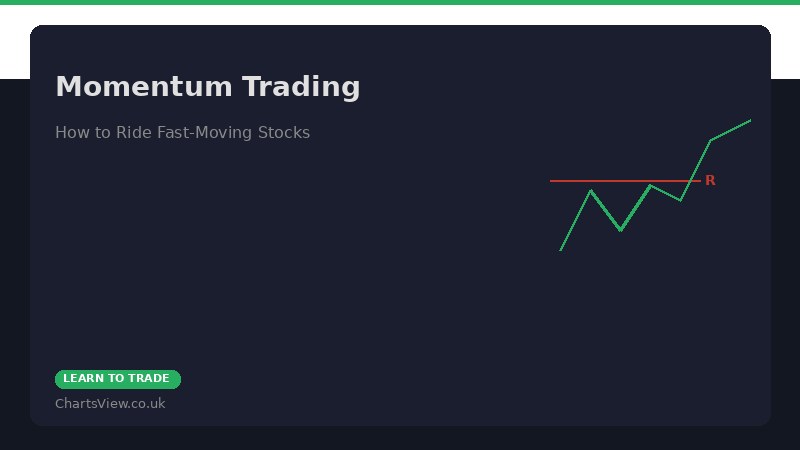
Momentum trading is the art of riding fast-moving stocks, capturing outsized moves as they accelerate. A stock rallies 10% in a week on earnings euphoria. Another crushes downward 8% after profit warnings. Momentum traders jump into the move once it's confirmed and hold until the move exhausts. It's one of the few trading approaches that works because "the stock is already doing well"—a counterintuitive statement to beginners who fear "buying high". The reality is that momentum often continues. Winners keep winning in the short term due to technical and behavioral factors. This guide teaches you to identify genuine momentum, distinguish it from noise, enter at sustainable levels, and recognize when momentum is fading so you exit before the reversal.
- Details
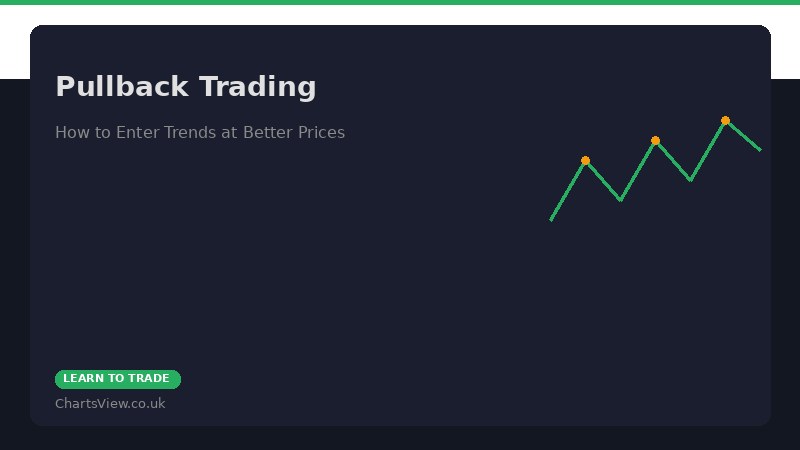
One of the most profitable yet underappreciated trading strategies is pullback trading. While many traders chase breakouts and hope to catch the early stages of moves, experienced traders know that the real money is made by entering established trends during temporary pullbacks. A pullback gives you the best of both worlds: you're trading with the trend, which is inherently more profitable, but you're entering at better prices than a chase entry would offer. This combination produces superior risk-reward ratios and higher win rates than almost any other strategy.
- Details
Mean reversion is one of the most misunderstood trading concepts. Many UK traders hear the term and immediately think "buy oversold, sell overbought." But that's a recipe for getting stopped out repeatedly while fighting the trend. True mean reversion is a specific, disciplined approach to profiting from overextended price moves—but only in the right markets and at the right times. In this article, you'll learn when mean reversion works, how to set it up properly, and critically, when to avoid it entirely. If you trade stocks like Rolls-Royce, Barclays, or Sage, understanding mean reversion will give you another edge in your trading toolkit.
- Details
Gaps are one of the most misunderstood price phenomena in trading. To the untrained eye, they look chaotic—the market simply jumps from one price to another without trading in between. But to experienced traders, gaps represent high-probability setups with well-defined entry, exit, and risk-management points. This article explores what gaps are, why they form, the different types of gaps you'll encounter, and the specific trading strategies that generate consistent profits from gap price action.
- Details
Markets don't move in isolation from the real world. Economic data, interest rate decisions, earnings announcements, and geopolitical events move markets dramatically. For many traders, these moments represent either catastrophic risks to avoid or profitable opportunities to exploit. News trading—placing trades around significant economic events and announcements—is a legitimate trading style that can be remarkably profitable if done correctly. In this guide, we'll explore what news trading is, which events matter most, how to position yourself before news, and the critical risk management that separates successful news traders from those who blow up accounts.